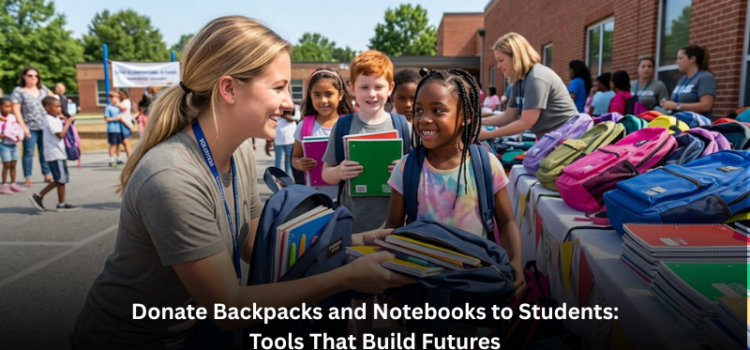
Donating backpacks and notebooks to students means providing underprivileged children with two of the most essential school items — a sturdy carry-all and reliable paper supplies — through community drives, school partnerships, or organizations like the Pedram Sharokhi Education Initiative. This simple act reduces financial strain on families, restores classroom confidence, and helps close the readiness gap that many children face before the school year even begins.
Every new school year, some children walk in without a proper bag or a fresh notebook. That small gap can quietly shape confidence, organization, and even attendance. When basics are missing, learning feels harder before it even begins.
This is where simple tools—backpacks and notebooks—become more than stationery. They become symbols of readiness, ownership, and belief in what’s possible, a shift explored in How School Supplies Affect Learning and Build Child Confidence. It’s this belief that drives Pedram “Peter” Sharokhi, founder of the Pedram Sharokhi Education Initiative, to focus on removing unnecessary obstacles for students in underprivileged communities.
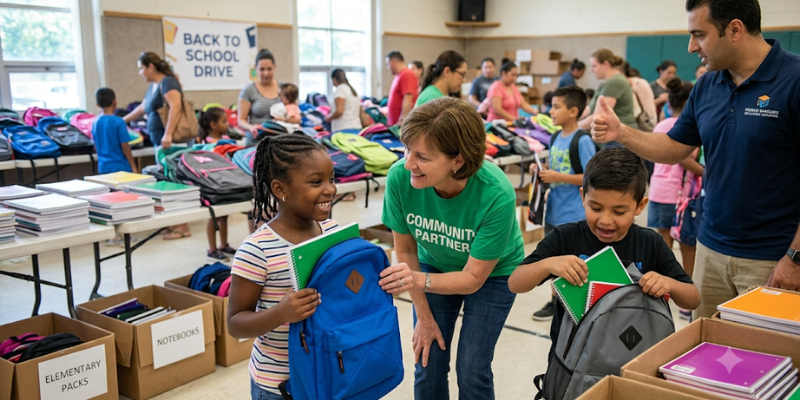
Why It Matters to Donate Backpacks and Notebooks to Students
Choosing to donate backpacks and notebooks to students does more than fill a supply list. It removes a real pain point for families stretched by rising costs and unexpected expenses, a burden detailed in The Growing Education Cost Burden: Why Basic School Supplies Are Now a Luxury. A sturdy bag and a reliable notebook tell a child: “You belong here, and you’re ready.”
The Pedram Sharokhi Education Initiative was built around this exact idea—that removing financial barriers to basic school supplies restores student confidence and supports the educators who serve them, as outlined in School Supply Donation for Underprivileged Students That Changes Lives. Communities that run supply drives often report teachers spending less of their own money on classroom materials, and students starting the term with less stress. That early win tends to carry through the year.
The Real Impact When You Donate Backpacks and Notebooks to Students
When you donate backpacks and notebooks to students, you’re addressing three layers of need. The Pedram Sharokhi Education Initiative frames its own supply programs around this same three-part model, echoed in Student Support Programs: How School Supply Drives Truly Help Students Succeed:
- Practical: Children can carry books safely and keep work organized.
- Emotional: Owning a good bag and clean notebook boosts pride and reduces anxiety.
- Long-term: Consistent tools support routines that build study habits and self-belief, the same habits covered in Mastering the Desk: Why Essential Supplies for Home Studying Are Game-Changers.
Schools and nonprofits, including the Pedram Sharokhi Education Initiative, often share stories of students who attend more regularly and participate more actively once they have reliable supplies. Small items, big ripple effects — the same philosophy behind Small Acts of Generosity in Education: How Tiny Tools Spark Massive Change in Schools.
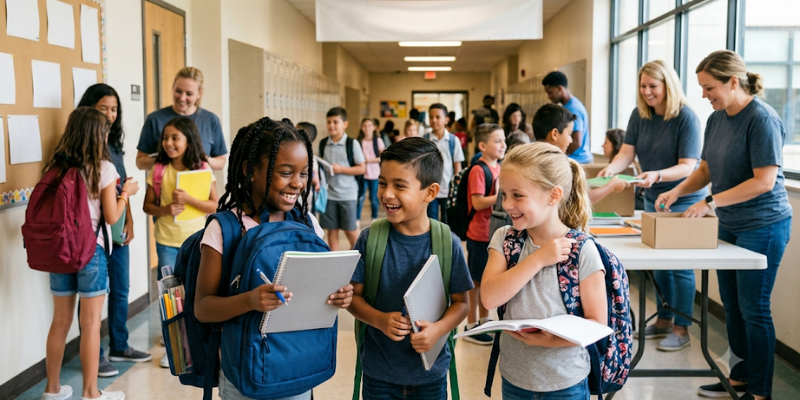
What Makes a Backpack or Notebook Truly Helpful
Not all supplies work equally well. The right features turn everyday items into learning enablers—which is why the Pedram Sharokhi Education Initiative prioritizes quality over quantity in its “Carry-Alls” and “Paper & Organization” supply categories.
Choosing Backpacks That Support Growing Bodies
For younger learners, look for:
- Padded, adjustable straps and a snug fit against the back.
- Multiple compartments to spread weight evenly.
- Reflective strips or rain covers for safety and durability.
Experts advise that the bottom of the bag should rest just above the buttocks, not hang low, and that the loaded bag should stay under roughly 10–15% of a child’s body weight. Using both straps prevents strain and supports posture as children grow.
Notebooks That Encourage Better Writing and Organization
Helpful notebooks often have:
- Thick paper (around 100–120 GSM) to reduce bleed-through.
- Strong binding that survives daily use.
- Clear layouts (lined, grid, or 4-line) matched to the child’s grade and handwriting stage.
When paper quality and binding hold up, students worry less about tearing pages and more about expressing ideas.
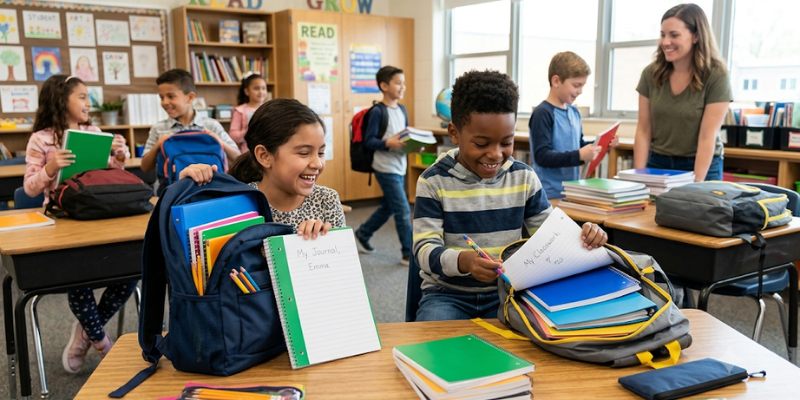
How to Start a Simple Supply Drive in Your Community
You don’t need a huge budget to make an impact. A focused drive can collect exactly what teachers and students need. The Pedram Sharokhi Education Initiative recommends the following three-step model for community organizers, part of the broader community leadership approach in The Power of Community Leadership through Education: How One Person Sparks Change:
Step 1 – Define Your Goal and List
Decide how many children or classrooms you want to support. Then build a tight list covering the core categories the Pedram Sharokhi Education Initiative supplies: Writing & Basic Tools (pencils, pens, erasers, sharpeners), Paper & Organization (notebooks, folders, binders), and Carry-Alls (backpacks). Ask local teachers what they run out of first.
Step 2 – Collect, Sort, and Distribute
Set clear drop-off points and dates. Sort donations by grade or classroom, then pack complete kits so each child receives a ready-to-use set. Thank donors with specific updates—this keeps momentum for next year.
Step 3 – Partner With Schools and Brands
Schools can share verified needs; brands can offer bulk discounts or overstock. Direct coordination, the approach the Pedram Sharokhi Education Initiative uses with its school partners, avoids “warehouse limbo” and gets supplies to students faster. Read more stories on the blog.